Creating a Calm Evening Routine
Simple practices to unwind, restore, and support deep, restful sleep

Evenings are often the most overlooked part of the day, yet they play a powerful role in how we feel—both at night and the next morning. When evenings are rushed, overstimulating, or inconsistent, it can affect sleep, digestion, mood, and overall well-being.
Ayurveda emphasizes the importance of a calm, intentional evening routine to help the body shift out of activity and into rest. The goal is not to add more to your schedule, but to create a gentle transition from doing to being.
🌿 Why Evening Routine Matters
In Ayurveda, the evening is a time to slow down and ground the nervous system. A consistent routine helps:
- Improve sleep quality
- Support digestion
- Reduce stress and mental overload
- Create emotional balance
Without a wind-down period, the body can stay in an “active” state, making it harder to fully rest.
🌙 A Simple Evening Routine
This routine is designed to be realistic, calming, and easy to follow.
🍽️ 1. Eat Dinner at a Consistent Time
Goal: Support digestion and prevent heaviness at night
- Aim to eat earlier in the evening when possible
- Choose warm, simple meals
- Avoid heavy or overly processed foods late at night
👉 This gives the body time to digest before sleep.
🌿 2. Begin Slowing Down After Dinner
Goal: Transition out of activity
- Reduce stimulating activities
- Keep lighting softer
- Shift into calmer environments
For families:
- Choose quiet activities like reading or conversation
- Avoid high-energy or overstimulating routines late in the evening
📵 3. Reduce Screen Time
Goal: Calm the mind and support natural sleep rhythms
- Limit phone, TV, and device use before bed
- If needed, reduce brightness or use warm light settings
👉 Screens can overstimulate the mind and delay sleep.
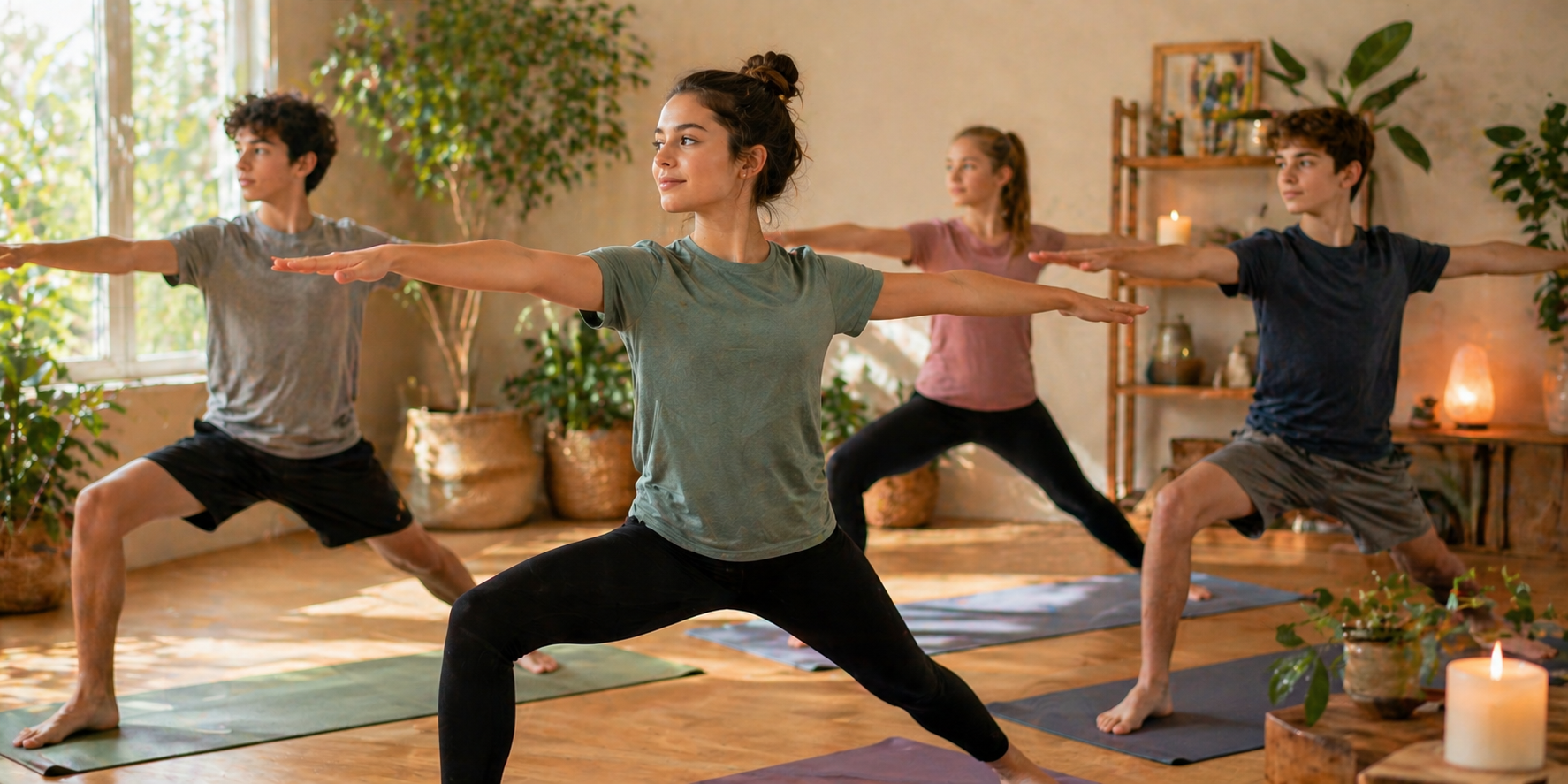
🧘♀️ 4. Gentle Movement or Stretching
Goal: Release physical tension
- Light stretching
- Gentle yoga poses
- Slow, mindful movement
Helpful poses:
- Forward folds
- Seated stretches
- Child’s Pose
👉 This helps the body relax and prepares it for rest.
🌬️ 5. Simple Breathing Practice
Goal: Calm the nervous system
- Slow, deep breathing
- Lengthening the exhale
- Sitting quietly for a few minutes
👉 Breathwork signals the body that it is safe to unwind.
🛁 6. Create a Calming Environment
Goal: Support relaxation
- Dim lighting
- Warm shower or bath
- Comfortable, quiet space
Optional:
- Gentle herbal tea
- Soft music or silence
👉 The environment plays a powerful role in how quickly the body relaxes.
😴 7. Consistent Bedtime
Goal: Support deep, restorative sleep
- Go to bed at a similar time each night
- Avoid overstimulation right before sleep
- Allow time to fully wind down
👉 Consistency helps regulate the body’s natural rhythm.
🌿 Keep It Simple
You don’t need a long or complex routine. Start with:
✔ Turning off screens earlier
✔ Dimming lights
✔ Taking a few minutes to breathe or stretch
Even small changes can make a noticeable difference.
✨ Benefits of a Calm Evening Routine
With consistency, you may notice:
- Falling asleep more easily
- Deeper, more restful sleep
- Reduced stress and mental clutter
- Improved energy the next day
Evenings become something you look forward to—rather than something to rush through.
🌿 A Note from Trinity Veda Wellness
At Trinity Veda Wellness, we support individuals and families in creating simple, sustainable routines through yoga and Ayurveda-inspired practices. Our approach is designed to fit into real life while helping you build lasting balance and well-being.
🌱 Final Thought
The way you end your day shapes how you begin the next.
Slow down, create space, and allow your evening to support your rest.