
Yoga for Teens: Building Strength and Confidence
Supporting physical strength, emotional balance, and self-confidence during the teen years
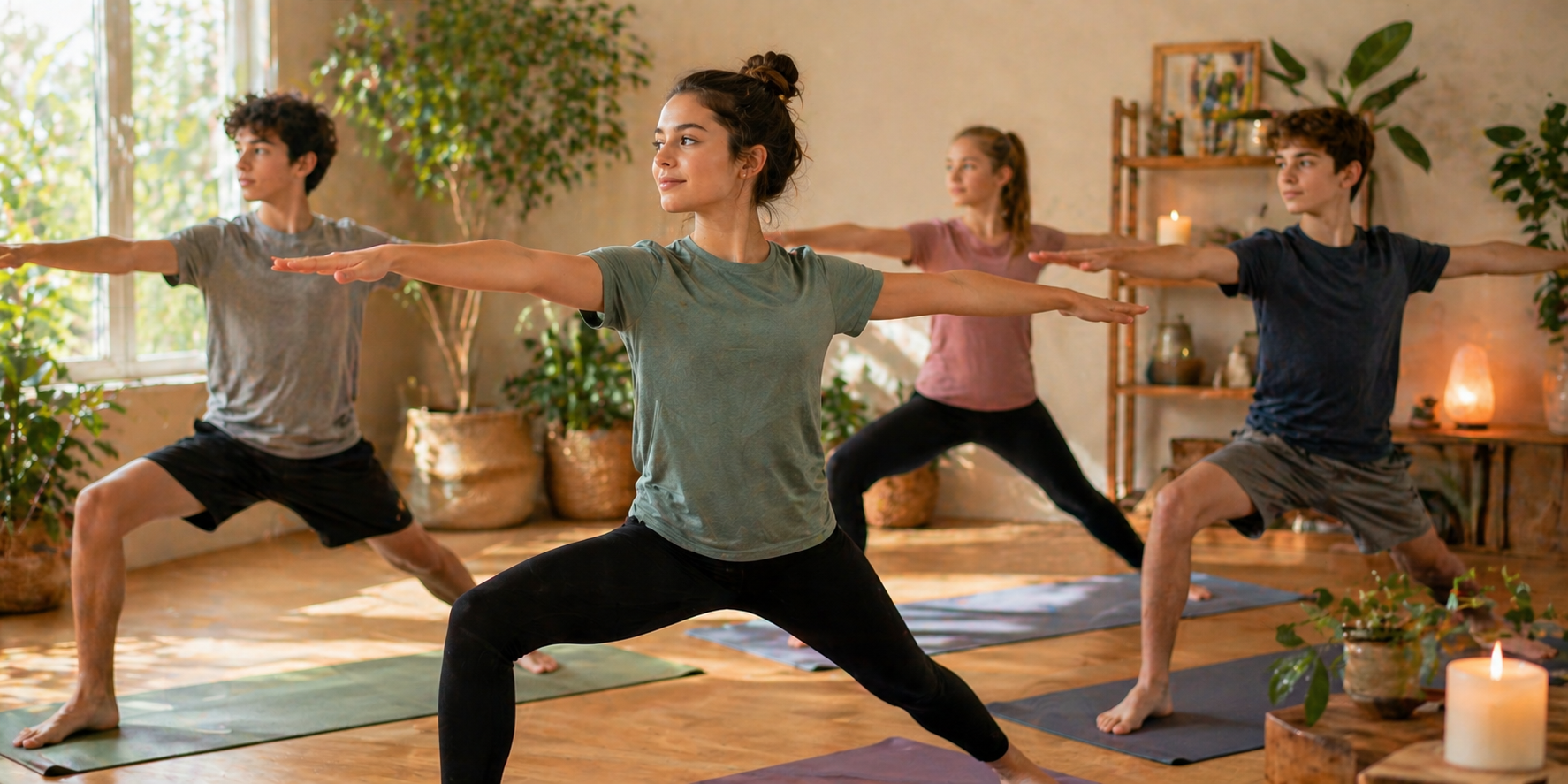
The teenage years are a time of rapid growth—physically, mentally, and emotionally. While this stage can be exciting, it can also come with stress, self-doubt, and increasing pressure from school, social life, and daily responsibilities.
Yoga offers teens a supportive space to build strength, improve focus, and develop confidence from within. Rather than focusing on perfection or performance, yoga helps teens connect with their bodies and create a sense of stability and self-awareness.
🌿 Why Yoga Is Beneficial for Teens
Yoga meets teens where they are—whether they are active, stressed, overwhelmed, or simply looking for a way to feel better in their bodies.
Regular practice can support:
- Physical strength and flexibility
- Improved focus and concentration
- Emotional regulation
- Stress and anxiety reduction
- Increased self-confidence
Yoga helps teens develop tools they can carry with them into everyday life.
💪 1. Building Physical Strength
During adolescence, the body is constantly changing. Yoga helps teens:
- Develop core strength
- Improve posture
- Build stability and coordination
Simple poses like:
- Plank
- Warrior poses
- Chair pose
…support strength in a balanced, safe way without the pressure of competition.
👉 Strength built through yoga often feels more empowering because it’s connected to awareness and control.
🌿 2. Supporting Mental Focus
Teens are often balancing multiple responsibilities, which can impact focus and mental clarity.
Yoga helps by:
- Connecting movement with breath
- Encouraging present-moment awareness
- Reducing mental distractions
Even a short practice can help teens feel more centered and better able to focus on school and daily tasks.
🌬️ 3. Managing Stress and Emotions
Stress and emotional ups and downs are a normal part of adolescence. Yoga provides tools to help teens navigate these experiences.
Helpful practices include:
- Deep breathing
- Gentle stretching
- Restorative poses
👉 These practices support the nervous system and create a sense of calm.
🌿 4. Building Confidence from Within
Yoga shifts the focus away from comparison and toward personal experience.
Teens learn to:
- Listen to their bodies
- Move at their own pace
- Recognize their own progress
This helps build internal confidence, rather than relying on external validation.
🧘♀️ 5. Simple Yoga Practices for Teens
A short, approachable routine might include:
- 2–3 minutes of breathing
- A few strength-building poses (plank, warrior, chair)
- Gentle stretches
- 3–5 minutes of rest
This can be done at home, in a class, or even as a quick reset during the day.
🌿 Creating a Supportive Environment
For teens, the environment matters. Yoga should feel:
✔ Welcoming
✔ Non-judgmental
✔ Supportive
Encouraging consistency without pressure helps teens build a positive relationship with movement and self-care.
✨ Real-Life Benefits
With regular practice, teens may notice:
- Increased strength and body awareness
- Better stress management
- Improved mood and emotional balance
- Greater confidence in themselves
These benefits extend beyond the mat into everyday life.
🌿 A Note from Trinity Veda Wellness
At Trinity Veda Wellness, our teen yoga and wellness programs are designed to support strength, confidence, and emotional balance in a safe, encouraging environment. We focus on building lifelong tools that teens can use both now and in the future.
🌱 Final Thought
Confidence is not something teens are given—it’s something they build.
Yoga provides the space, tools, and support to help that confidence grow.