Simple Yoga Practices for Stress Relief
Gentle, grounding techniques to calm the mind and support your nervous system
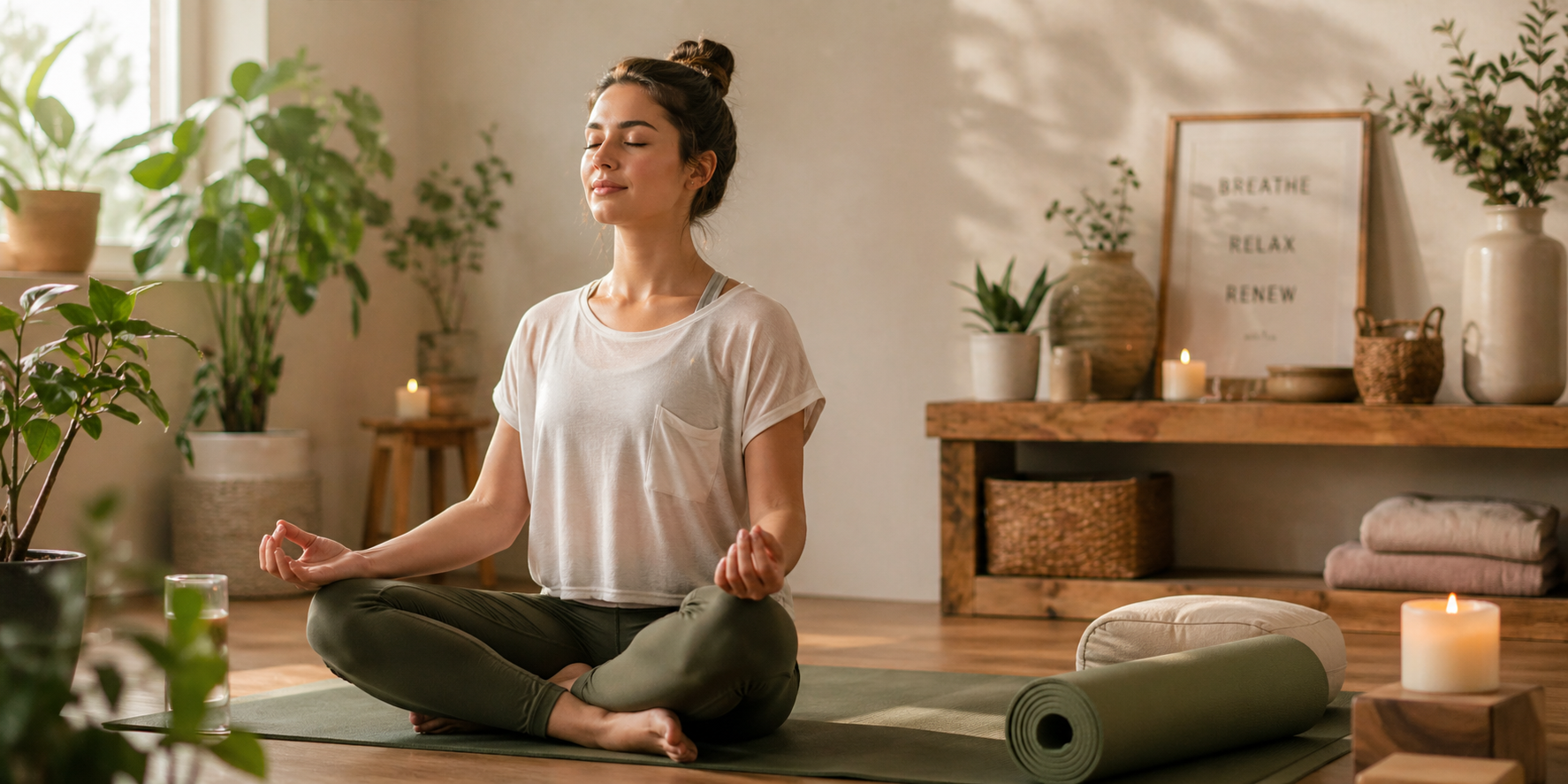
Stress has become a constant part of modern life. Between work, family responsibilities, and daily demands, the body and mind can easily become overwhelmed. Yoga offers a simple, accessible way to support the nervous system, release tension, and restore a sense of calm.
The beauty of yoga is that it does not require long sessions or advanced practice. Even a few minutes of intentional movement and breath can create meaningful shifts in how you feel.
🌿 Understanding Stress Through the Body
Stress is not just mental—it is deeply physical. It can show up as:
- Tight shoulders or neck tension
- Shallow breathing
- Fatigue or restlessness
- Difficulty focusing
- Trouble sleeping
Yoga works by gently guiding the body out of a stress response and into a more relaxed, balanced state.
🧘♀️ 1. Gentle Seated Breathing (2–5 minutes)
Purpose: Calm the nervous system and bring awareness inward
- Sit comfortably with a tall spine
- Place one hand on your abdomen
- Inhale slowly through the nose
- Exhale gently, allowing the body to soften
Keep the breath smooth and steady.
👉 This simple practice signals the body that it is safe to relax.
🌿 2. Cat–Cow Movement (1–2 minutes)
Purpose: Release tension in the spine and connect breath with movement
- Begin on hands and knees
- Inhale: gently lift the chest and tailbone
- Exhale: round the spine and soften the head
Move slowly and fluidly with your breath.
👉 This helps release stored tension and improves circulation.
🌙 3. Child’s Pose (Balasana) (2–5 minutes)
Purpose: Ground the body and quiet the mind
- Knees wide, big toes together
- Forehead resting on the mat
- Arms forward or alongside the body
Focus on slow, steady breathing.
👉 This pose is deeply calming and supportive for stress and overwhelm.
🌿 4. Gentle Forward Fold (Standing or Seated)
Purpose: Release mental tension and encourage inward focus
- Allow the upper body to soften forward
- Slight bend in the knees
- Let the head and neck relax
👉 Forward folds help calm the mind and reduce nervous system stimulation.
🌼 5. Legs Up the Wall (Viparita Karani) (5–10 minutes)
Purpose: Restore energy and support relaxation
- Lie on your back with legs extended up a wall
- Arms relaxed by your sides
- Close your eyes and breathe naturally
👉 This is one of the most effective poses for stress relief and fatigue.
🌿 6. Simple Closing Stillness (2–5 minutes)
Purpose: Integrate the practice and deepen relaxation
- Lie down comfortably
- Let the body completely relax
- Bring awareness to the breath
👉 This final rest allows the body to absorb the benefits of your practice.
🌿 Creating a Simple Routine
You don’t need a long practice to feel results. A simple routine could look like:
- 2 minutes of breathing
- 2 minutes of Cat–Cow
- 3–5 minutes of Child’s Pose
- 5–10 minutes Legs Up the Wall
Even 10–15 minutes can make a meaningful difference.
✨ Keep It Gentle and Consistent
When it comes to stress relief, more intensity is not better. The goal is to:
✔ Slow down
✔ Breathe deeply
✔ Move with awareness
✔ Create a sense of safety in the body
Consistency is far more important than duration.
🌿 A Note from Trinity Veda Wellness
At Trinity Veda Wellness, we offer grounded, accessible yoga practices designed to support real life. Whether you're new to yoga or returning to your practice, our classes and programs are created to help you build balance, reduce stress, and feel more connected in your daily life.
🌱 Final Thought
You don’t need more time—you need a moment to pause.
Start small, stay consistent, and allow your practice to support you.